
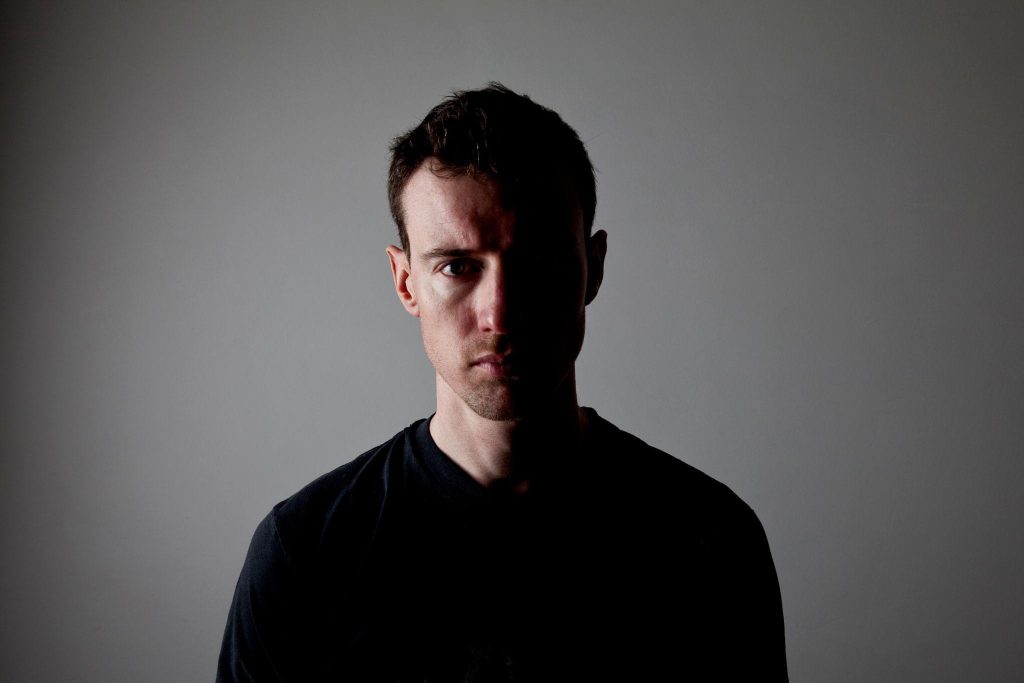
Kaden Rummler was twenty-one years old. He had his whole life mapped out in front of him — the kind of unwritten future that young people take for granted because they assume there will always be time to figure things out. He was healthy. He was active. He had plans. And then, in what felt like the blink of an eye, everything changed. “I will be blind for life, thanks to ICE,” Kaden said. Those eleven words carry the weight of a lifetime of loss. Not the loss of a possession or an opportunity, but the loss of sight itself — the most relied-upon of all human senses. The ability to see the faces of the people you love. The ability to read a book, watch a sunset, or simply walk down a street without assistance. Gone. Permanently.
What Happened to Kaden

The details of Kaden Rummler’s case emerged during a period of intense scrutiny of Immigration and Customs Enforcement operations across the United States. Reports indicated that Kaden was injured during an encounter with ICE agents — an encounter that, by his account and the accounts of witnesses, resulted in severe trauma to his face and eyes. Photographs of Kaden after the incident are difficult to look at. His eye is visibly damaged, swollen, and discolored. The bruising extends across his cheekbone and forehead. Medical evaluations confirmed what Kaden already knew in those first agonizing moments: the damage to his vision was irreversible. He was not a fugitive. He was not armed. He was a twenty-one-year-old American whose life intersected with a federal enforcement operation in the worst possible way. And now he will never see clearly again.
The Human Cost of Enforcement

Immigration enforcement is one of the most contentious issues in American politics. Depending on where you stand, ICE is either a necessary institution protecting national security or an agency that has repeatedly overstepped its bounds. But regardless of where you fall on that spectrum, there is one thing that should not be controversial: a twenty-one-year-old losing his eyesight during a law enforcement encounter demands accountability. The debate around immigration enforcement often happens in the abstract. People talk about “border security” and “national sovereignty” and “rule of law” in ways that strip the conversation of its human dimension. Numbers are cited. Policies are debated. But behind every statistic is a person — and in this case, that person is Kaden Rummler, who wakes up every morning to darkness. When enforcement actions result in permanent physical harm to individuals — especially individuals who pose no threat — the system has failed. Not just politically, not just morally, but practically. An agency that cannot distinguish between a dangerous target and a twenty-one-year-old bystander is an agency that needs to reexamine its training, its protocols, and its culture.
The Medical Reality of Vision Loss

Losing your sight at twenty-one is not like losing it at eighty. When an elderly person gradually loses vision, there is a lifetime of visual memories to draw upon. The brain has decades of stored imagery — faces, places, colors, textures — that can be recalled and relied upon. When you lose your sight at twenty-one, you lose it at a point where your brain is still forming its most important relationships with the visual world. You lose the ability to see your future partner for the first time. You lose the ability to watch your children grow up. You lose the casual, everyday act of looking out a window and knowing what season it is. The rehabilitation process for young people who lose their vision is extensive and grueling. It involves learning to navigate with a cane or guide dog, learning to use screen readers and voice-activated technology, relearning how to cook, how to dress, how to exist in a world designed for sighted people. Many young people who lose their sight experience severe depression and anxiety. The adjustment period can take years. Kaden is facing all of this. Not because of an accident. Not because of a medical condition. But because of an encounter with federal agents that should never have ended this way.
The Broader Pattern
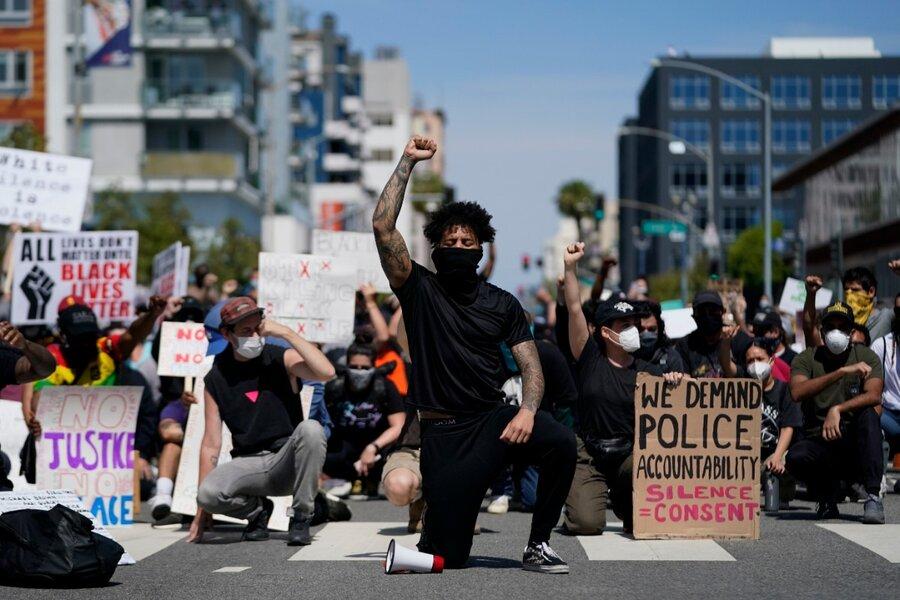
Kaden’s story did not emerge in isolation. Over the past several years, reports of excessive force, mistaken identity, and collateral harm during ICE operations have increased significantly. Civil rights organizations have documented cases where American citizens were detained by ICE, sometimes for days or weeks. Families have reported agents entering homes without proper warrants. Communities have described living in a state of constant fear. These are not isolated incidents attributable to “a few bad apples.” When a pattern emerges across multiple jurisdictions, involving multiple agents and multiple victims, it suggests a systemic issue. Training protocols may be inadequate. Accountability mechanisms may be insufficient. The culture within the agency may prioritize enforcement outcomes over human safety. None of this is to suggest that immigration enforcement should not exist. Every country has the right to manage its borders and enforce its laws. But enforcement must be conducted within the bounds of human decency and constitutional protections. When it is not — when a twenty-one-year-old is permanently blinded — the system is not working.
What Kaden Wants People to Know
In the interviews he has given since the incident, Kaden has been remarkably composed. There is anger in his words, certainly, but there is also a clarity of purpose. He does not want sympathy. He wants change. He wants people to understand that enforcement actions have real consequences for real people. He wants oversight and accountability built into every operation. He wants body camera footage to be mandatory and publicly reviewable. He wants a system where what happened to him cannot happen to someone else. These are not radical demands. They are the kind of basic safeguards that any functioning democracy should have in place. The fact that they need to be demanded — rather than assumed — tells you everything you need to know about the current state of affairs.
Looking Forward Without Sight

Kaden Rummler’s story is not over. He is still young. He is still fighting. He is learning to adapt to a world that suddenly looks very different — or, more accurately, does not look like anything at all. His case has drawn the attention of legal advocates, disability rights organizations, and civil liberties groups. There may be lawsuits. There may be congressional inquiries. There may be policy changes. But none of that will give Kaden his sight back. What it can do is ensure that his loss is not in vain. That his story becomes a turning point rather than a footnote. That the next time a federal agent is about to make a decision that could alter someone’s life forever, they pause and consider the full weight of what they are about to do. Because Kaden Rummler was twenty-one years old. He had his whole life ahead of him. And in one moment of institutional failure, the world as he knew it went permanently dark. That is not a political talking point. That is a tragedy. And it should never happen again.