
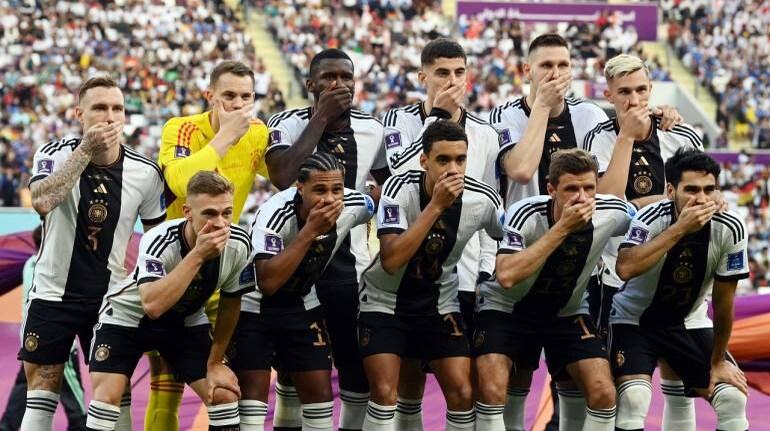
In football, the pre-match handshake is one of the oldest traditions in the sport. Two teams line up, walk toward each other, and shake hands. It takes about thirty seconds. Nobody thinks twice about it. It is as automatic as lacing up your boots or stepping onto the pitch. But on one particular evening, the Bosnian national football team changed the meaning of that thirty-second ritual forever. When the players lined up opposite the Israeli national team, they did something that made headlines around the world: they refused to shake hands. It was not violent. It was not chaotic. It was quiet, dignified, and devastating in its simplicity. Every Bosnian player kept his hands at his sides. No fists. No gestures. Just a calm, deliberate refusal to participate in a tradition that, in that moment, felt deeply dishonest.
The Context Behind the Decision
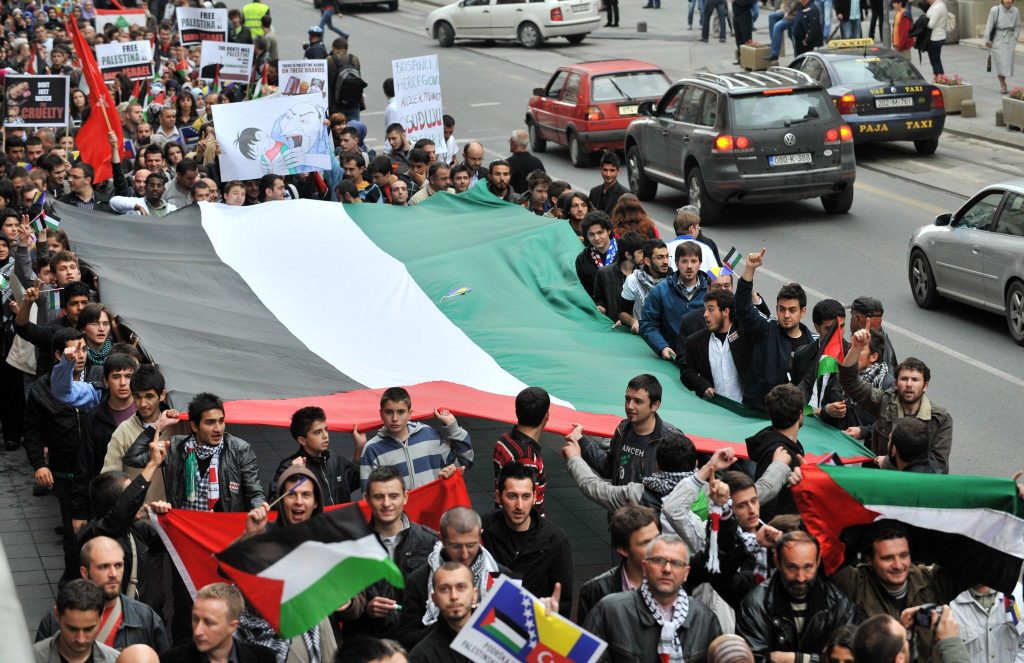
To understand why the Bosnian players did what they did, you need to understand where Bosnia and Herzegovina sits in the world — not just geographically, but emotionally. This is a country that knows what war looks like. The Bosnian War of the 1990s killed over 100,000 people and displaced more than two million. The siege of Sarajevo lasted nearly four years, making it the longest siege of a capital city in modern warfare. Bosnians understand suffering on a visceral level. When they see images of civilian casualties, destroyed neighborhoods, and displaced families, they do not just feel sympathy — they feel memory. The wounds from their own war are still healing. So when conflict intensified in the Middle East, particularly the escalation of military operations in Palestinian territories, Bosnian people reacted strongly. Mass protests took place across the country. Sarajevo saw some of the largest solidarity demonstrations in Europe. The Bosnian parliament passed resolutions. Citizens organized humanitarian aid. The footballers, for their part, did not make political speeches. They simply let their hands do the talking — or, more accurately, not do the talking.
What the Players Risked
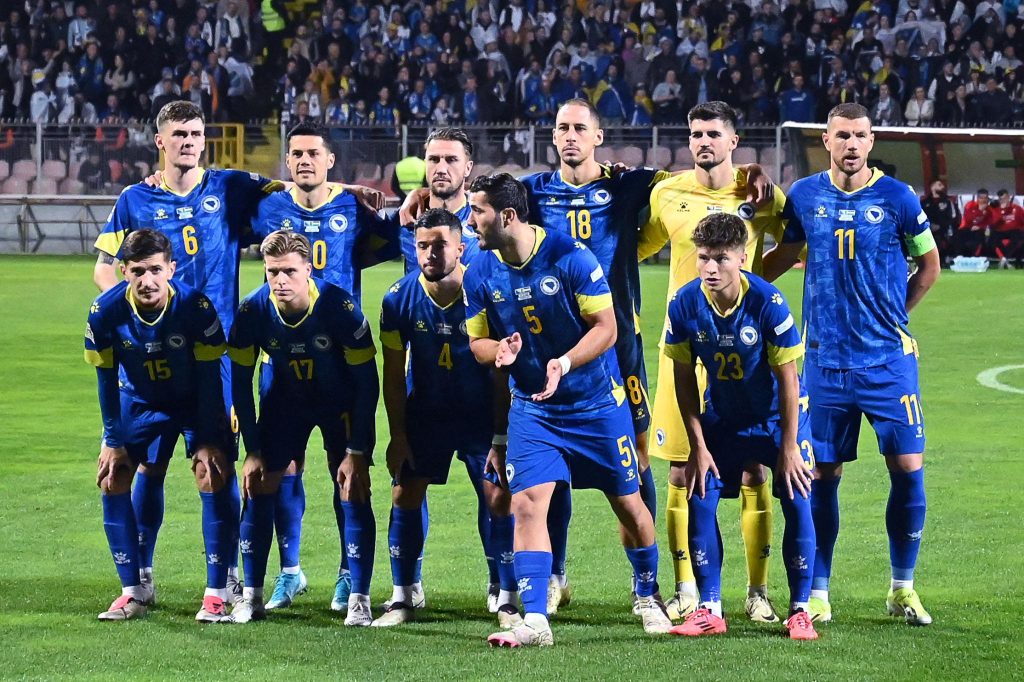
Refusing a pre-match handshake in international football is not without consequences. FIFA and UEFA have strict guidelines about sportsmanship and conduct. Players who engage in political demonstrations on the pitch can face fines, suspensions, or bans. National football associations can be penalized. There are real, tangible risks involved. The Bosnian players knew this. Their coaching staff knew this. Their football association knew this. And yet, when the moment came, not a single player extended his hand. That is what makes this story so significant. It was not one rogue player making a scene. It was an entire squad, making a collective decision, with full awareness of what it could cost them. It was organized, unified, and completely peaceful. Some of these players compete in European leagues where their contracts and livelihoods depend on staying out of controversy. Some of them have endorsement deals. Some of them are at stages in their career where a suspension would be devastating. They did it anyway.
The Tradition of Protest in Football
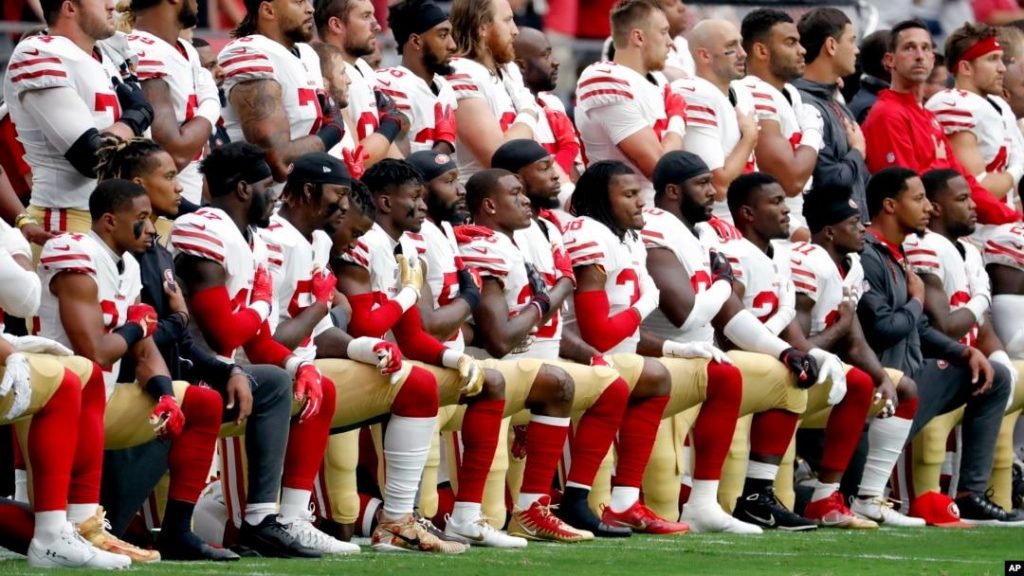
Football has a long history of being intertwined with politics and protest, whether the governing bodies like it or not. In 1968, during the Olympics, Tommie Smith and John Carlos raised their fists on the podium — but football has had its own quieter moments of defiance. During the apartheid era, many nations refused to play against South Africa entirely. In 2014, several players wore armbands and t-shirts in solidarity with various causes. In recent years, taking a knee before matches became a powerful symbol against racial injustice, inspired by American football player Colin Kaepernick. What the Bosnian team did fits into this tradition, but it also stands apart. Taking a knee has become, in some ways, normalized — accepted and even expected in certain leagues. Refusing a handshake is different. It is a direct, person-to-person rejection. It happens face to face. There is no ambiguity in the message.
How the World Reacted
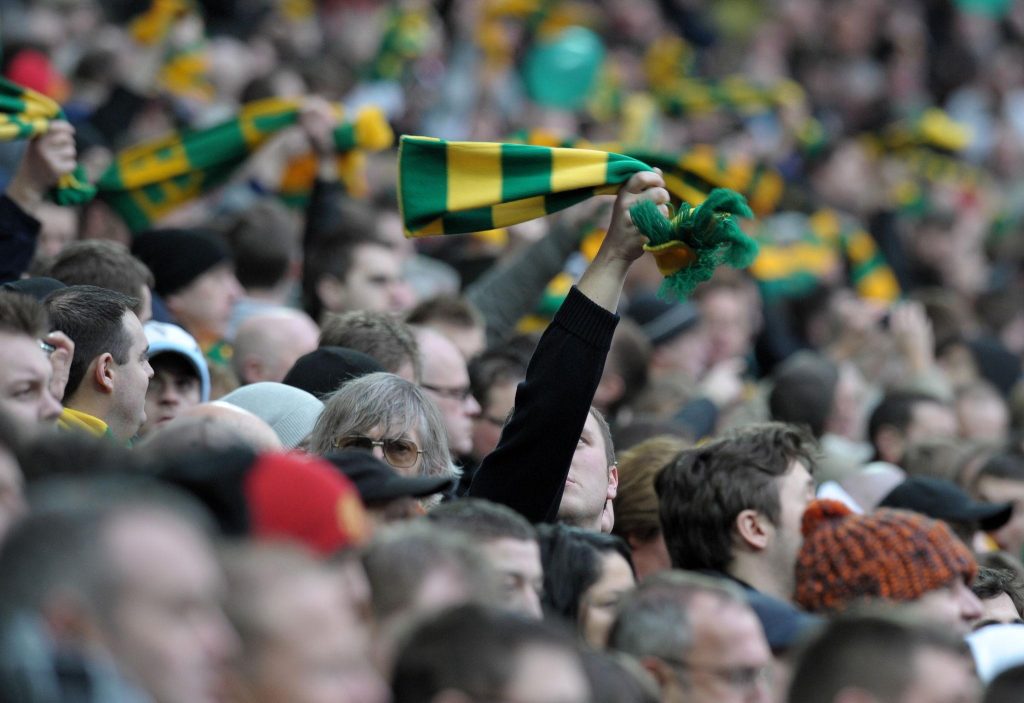
The reactions were immediate and divided. Across social media, the footage went viral within hours. In Bosnia, the players were celebrated as heroes. Banners appeared in Sarajevo thanking the team. Fans flooded the players’ social media accounts with messages of support. Internationally, the response was more mixed. Some football commentators praised the players for their courage. Others argued that sports should remain separate from politics. Israeli media largely condemned the gesture, calling it disrespectful and unsportsmanlike. FIFA, for its part, issued a statement reminding teams of their obligations regarding conduct. But as of the most recent reports, no formal sanctions were imposed on the Bosnian football association. The lack of punishment likely reflects the difficult position FIFA finds itself in — punishing a peaceful protest risks even greater backlash than the protest itself.
What It Means for Sports and Solidarity
The broader question this incident raises is one that sports organizations have been wrestling with for decades: where does the boundary between sport and politics lie? The official position of most governing bodies is clear — sport should be apolitical. But the reality is far more complicated. Every time a World Cup is awarded to a country with a questionable human rights record, sport is political. Every time a national anthem plays and a flag is raised, sport is political. The idea that athletes should compete in a vacuum, detached from the world they live in, has always been a fiction. What the Bosnian players demonstrated is that athletes are citizens first and competitors second. They carry their histories, their identities, and their moral convictions onto the field with them. Asking them to leave all of that in the locker room is asking them to be less than human.
Bosnia’s Relationship with Solidarity
There is a reason why Bosnia, specifically, has been so vocal in its solidarity. During the Bosnian War, the international community was widely criticized for its slow response. The Srebrenica massacre, in which over 8,000 Bosniak men and boys were killed in July 1995, occurred despite the presence of United Nations peacekeepers. That failure left a permanent mark on the Bosnian psyche. There is a deeply held belief in Bosnia that the world looked away when they needed help the most. As a result, Bosnians tend to be fiercely empathetic toward people they perceive as being in similar situations — abandoned, besieged, and forgotten. The football team’s refusal to shake hands was not just a political statement. It was an emotional one. It was a group of men saying: we know what it feels like to be on the wrong end of indifference, and we will not participate in it.
The Power of Peaceful Protest
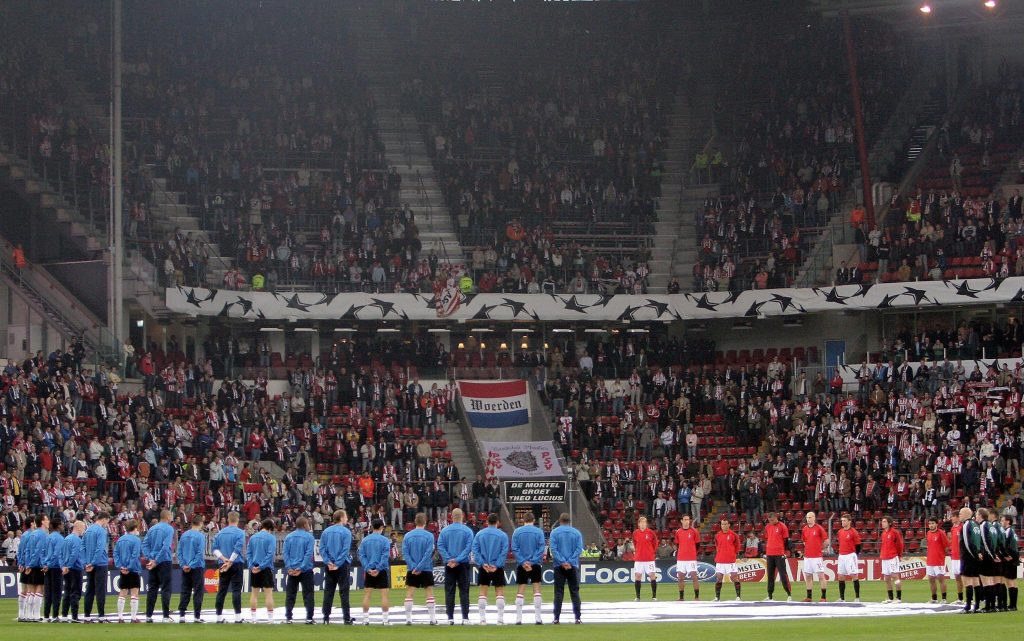
In a world where political discourse is often loud, angry, and polarizing, there is something almost radical about the quietness of what the Bosnian players did. No one shouted. No one threw anything. No one even spoke. They simply stood there with their hands at their sides and let the world draw its own conclusions. That silence was louder than any chant, any banner, any post-match press conference could ever be. It reminded us that sometimes the most powerful thing you can do is nothing at all — when the world expects you to go along with the script, the simple act of refusing to participate becomes the loudest statement in the room. Whether you agree with the players’ decision or not, you cannot deny its impact. In thirty seconds of stillness, they started a conversation that is still ongoing. And that, in the end, is what protest is supposed to do — not end the debate, but make sure it cannot be avoided. The Bosnian football team did not win a trophy that night. But they may have done something more important: they showed the world that courage does not always come with a ball at your feet. Sometimes it comes with your hands at your sides, standing still, refusing to pretend that everything is fine when it clearly is not.